
8 hr
Tongariro Alpine Crossing Roundtrip Shuttle Service
Hassle-free transportation to New Zealand's premier day hike with flexible morning and afternoon schedules
Reserve
Hand-picked by our editors — only the best 5 shuttle experiences from 40 reviewed.
Verified partners for every tour, free cancellation where available, and instant confirmation on every booking.
8 hr
Hassle-free transportation to New Zealand's premier day hike with flexible morning and afternoon schedules
Reserve
8 hr
Complete New Zealand's iconic alpine trek with hassle-free transport—park once and return to your vehicle
Reserve
10 hr
Trek across New Zealand's volcanic terrain with convenient transport from Taupo included
ReservePrices from verified partners. Availability updates in real time at checkout. Free cancellation policies apply where shown.
The landmarks, rooms, and views travelers on this tour remember — all visible on a single visit.
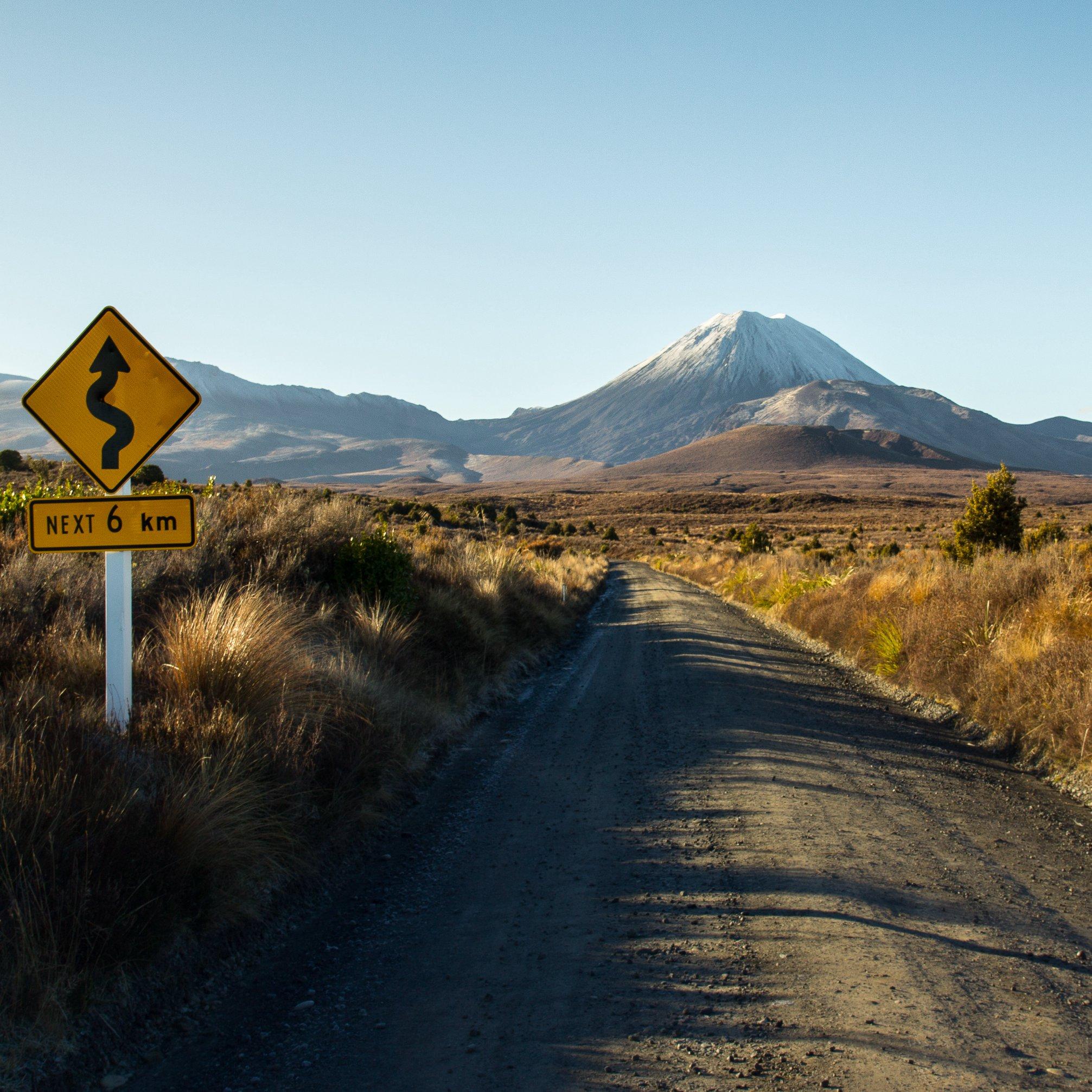
A vast, flat plain formed by ancient volcanic activity that hikers traverse during the trek
The highest point of the hike offering views into the vibrant volcanic heart
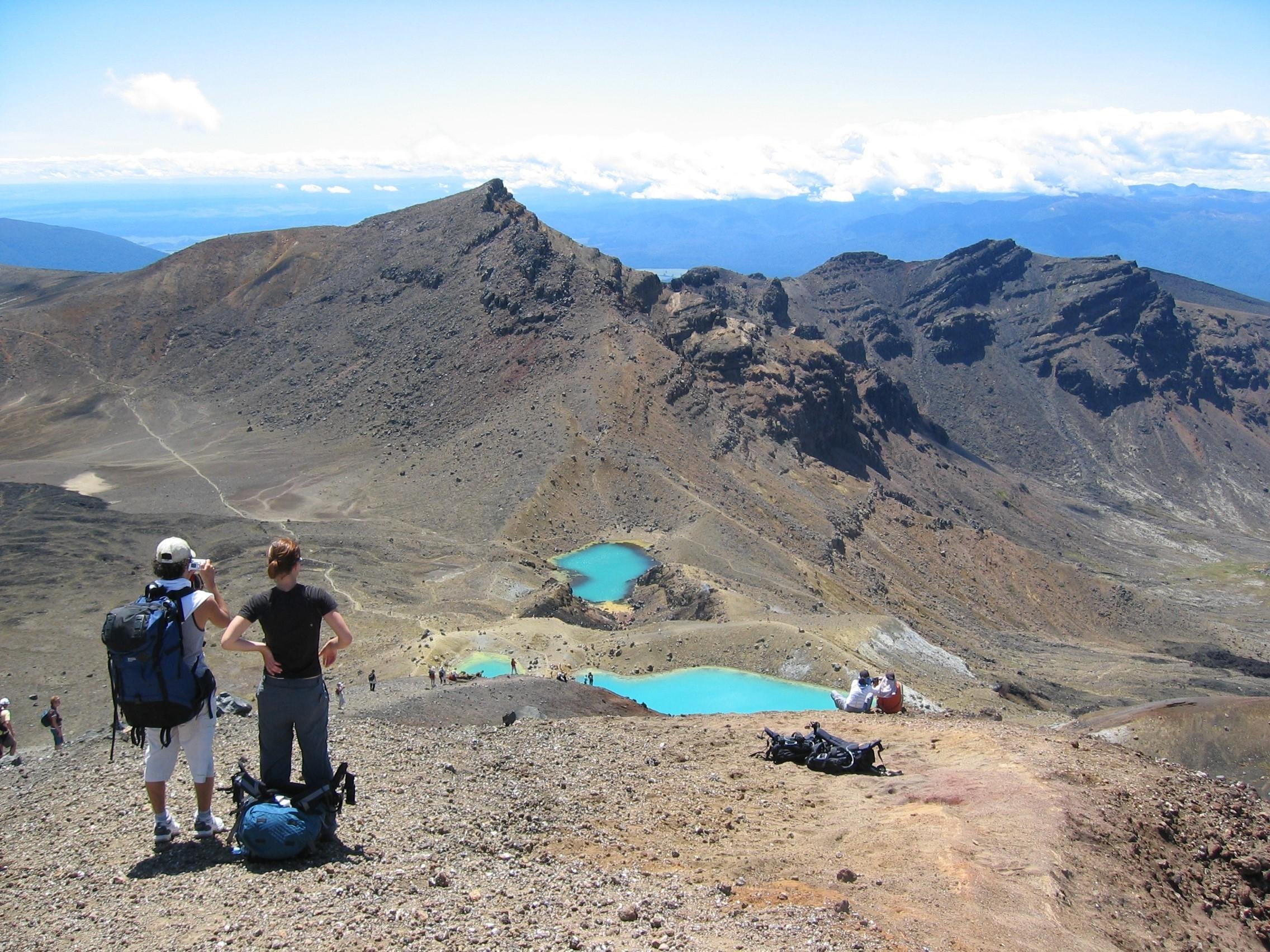
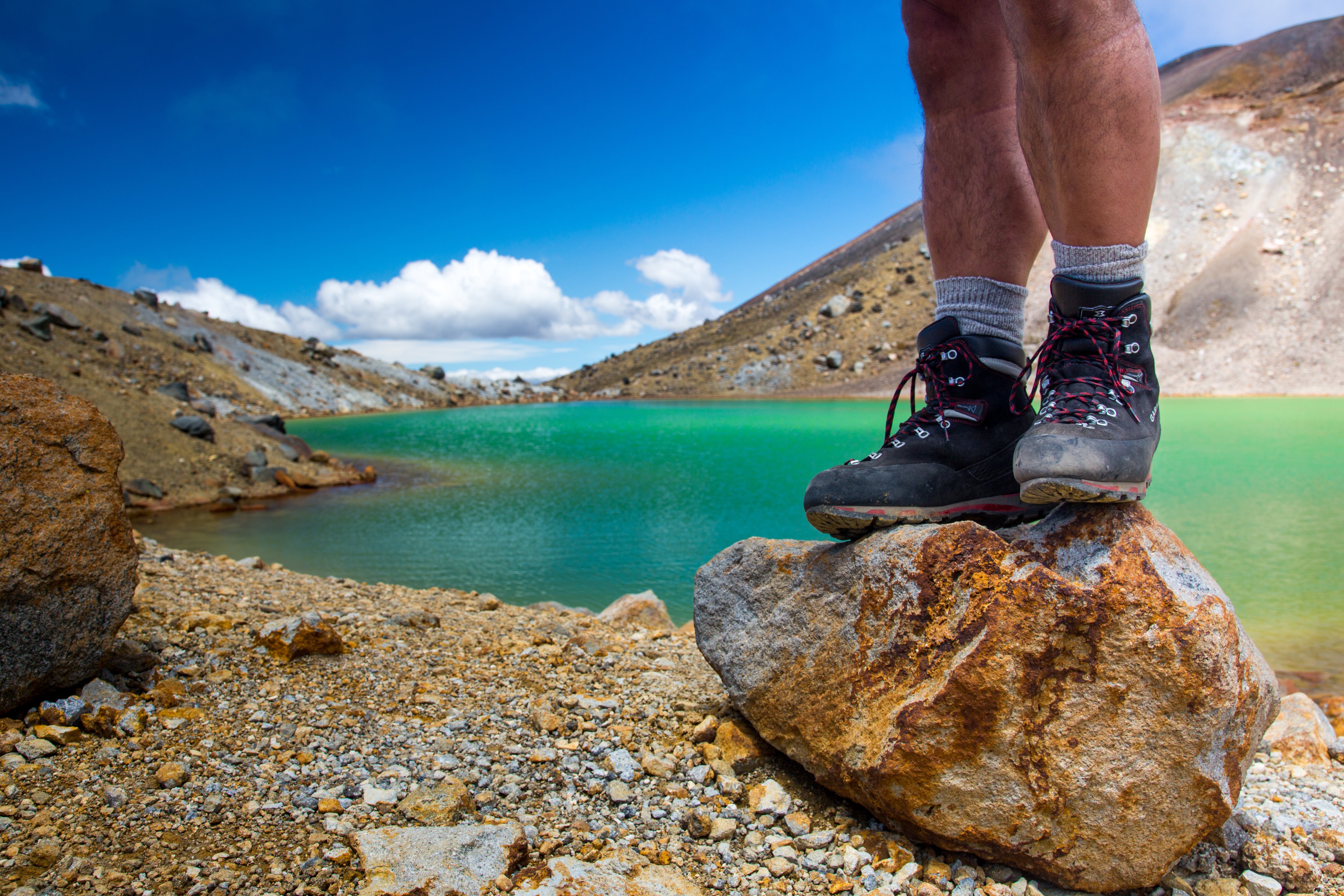
Three distinct explosion craters filled with mineral-rich water creating brilliant colors
A large, cold, acidic lake held in high regard by local iwi
The final segment of the trek leading through lush native mountain beech
Professional tours offer safety and local insights, while the self-guided approach provides complete freedom for experienced trekkers to navigate the volcanic terrain at their own pace.
| Feature | Top pick Guided Hike | Self-Guided |
|---|---|---|
Safety and Navigation |
Expert lead and group support | Independent navigation required |
Cost |
Varies by operator | 0 NZD |
Group Size and Flexibility |
Fixed group schedules | Fully flexible timing |
Logistical Planning |
Transport provided | Requires independent shuttle booking |
Educational Value |
Geological commentary provided | Self-led research required |
| See tickets → |
Verdict: Opt for guided tongariro alpine crossing tours to benefit from experienced mountain leadership, or select the self-guided route if you prioritize total independence and have arranged your own transport and safety preparations.
Choose your ticket, select your date, and reserve in under two minutes. Secure checkout handled by our verified partner.
Instant confirmation by email, with a mobile voucher you can save offline. No printing, no queuing at a collection desk.
Arrive at the entrance, show your voucher on your phone, and walk in. Most tickets include priority or skip-the-line access.
Practical details for your visit straight from our verified partners — hours, access, rules, and how to get there.
Public transport hub
Departure point for many tour operators
Use dedicated hiker shuttles from National Park Village or Turangi to trail heads.
Park at designated areas and use a one-way shuttle service to return to your vehicle.
Participants on a guided tongariro alpine crossing must wear sturdy hiking boots and layered synthetic clothing. Jeans and cotton fabrics are discouraged due to rapid temperature changes in Tongariro National Park.
Hikers must carry a daypack containing all essential gear. Secure all personal items as there are no lockers along the guided tongariro alpine crossing trail.
Photography is permitted along the route. Capture the volcanic landscape responsibly without straying from the marked path during your guided tongariro alpine crossing experience.
The trail is not suitable for strollers or wheelchairs. This guided tongariro alpine crossing requires a high level of physical fitness and mobility.
Mobile coverage is unreliable throughout the volcanic plateau. Use phones primarily for photos or emergency navigation apps.
The hike is generally not recommended for young children due to the 19.4km distance. Families booking a guided tongariro alpine crossing should assess the fitness level of all participants.
Bring sufficient water and high-energy snacks for the full day. Leave no trace principles apply strictly during your guided tongariro alpine crossing tour.
No dogs or pets are permitted on the track. This rule protects the unique biodiversity of Tongariro National Park.
Always check the current volcanic alert level before starting your hike. Professional guides provide essential safety oversight for every guided tongariro alpine crossing.
Best time to go, insider tips, nearby landmarks, and the cancellation fine print — flip through to skim what matters to you.
How crowds, weather, and events shift across the year.
December to March offers the most stable weather for a guided tongariro alpine crossing experience.
April provides cooler temperatures and fewer crowds on the track.
November brings clear air but requires preparation for lingering snow at higher elevations.
Guided tongariro alpine crossing tours are highly specialized and require crampons or alpine gear.
Small details that turn a good visit into a great one.
Always consult the mountain weather forecast before departing for your guided tongariro alpine crossing tour.
Carry more water than you think you need as there are no potable water sources on the track.
Utilize the 07:00–09:00 arrival window to avoid mid-day exposure.
Weather changes rapidly; ensure your clothing handles both wind and sun.
Stay on the marked trail at all times to protect fragile volcanic soils.
Non-bookable sights within a short walk — free to visit, easy to pair.
A scenic loop trail featuring a dramatic waterfall cascade.
Walk through golden tussock lands to reach unique mineral springs.
Flexible, no hidden fees.
The guided tongariro alpine crossing tour follows specific operator terms regarding refunds and weather-related cancellations. Guests should verify their booking confirmation for exact notification windows.
Hand-picked options within walking distance — pick a district for vibe, or a specific hotel for convenience.
Central location for transport connections.
Riverside town with various lodge options.
In 1887 the Ngāti Tūwharetoa paramount chief Horonuku Te Heuheu Tūkino IV placed the summits of Tongariro, Ngāuruhoe and Ruapehu under Crown protection, creating New Zealand's first national park and the fourth established anywhere on earth. The act was defensive rather than ceremonial: land held collectively as tapu could not be parcelled out to settlers piece by piece. Guided Tongariro Alpine Crossing tours now follow a corridor through that same ground, where ridgelines are understood as ancestors and craters as the residue of an argument between mountains. UNESCO listed the park twice over. Natural World Heritage status arrived in 1990 for its volcanic record; cultural status followed in 1993, making Tongariro the first place inscribed under the revised criteria for associative cultural landscapes. The distinction is not decorative. The 19.4-kilometre track crosses a saddle between two live volcanoes. Mount Ngauruhoe, a symmetrical andesite cone barely 2,500 years old, last erupted in 1975. Mount Tongariro is older and far less tidy — a scatter of vents, cooling fumaroles and collapsed craters accumulated across roughly 275,000 years. Red Crater marks the high point at 1,886 metres, a vent sheared open along one flank and stained rust by oxidised iron, with a black basalt dike running down the inner wall like exposed vertebrae. Below it lie the Emerald Lakes, Ngā Rotopounamu, coloured by minerals leaching out of the surrounding thermal ground. Further north, Blue Lake — Te Wai-whakaata-o-te-Rangihīroa — is tapu: a mirror, not a swimming hole. Steam still lifts from the Ketetahi springs on the descent. The Te Maari craters erupted in August 2012, punching blocks through the roof of the old Ketetahi Hut and closing the route for months. These are the Tongariro National Park landmarks that photographs flatten and weather sharpens. The park charges nothing to enter; the mountains levy their toll in wind instead. Alpine conditions shift within the hour, and the exposed saddle offers almost no shelter between Soda Springs and the Ketetahi turnoff. That combination — free public access to genuinely serious terrain — explains why the Tongariro Crossing hike sits awkwardly between tourism and mountaineering, and why a guided Tongariro Alpine Crossing tour functions less as a convenience than as an act of interpretation, translating rock, ritual and risk for people walking across a living volcano for the first time.
"The park charges nothing to enter; the mountains levy their toll in wind instead."
A step-by-step walkthrough of the visit — what you'll see, how long each stage takes, and the details that matter.
You park at Ketetahi in the dark, boots already laced, because that lot is where your day both begins and ends. The shuttle carries you around to Mangatepopo for the recommended 07:00–09:00 arrival window, and the air at roughly 1,120 metres bites even in February. The first hour is deceptively level: boardwalk over tussock, the Mangatepopo Stream on your left, Ngauruhoe swelling ahead. Then comes the Devil's Staircase, some 200 vertical metres of switchbacks, and conversation stops. You cross South Crater, a flat grey pan that is unnervingly quiet, before the final scramble onto Red Crater at 1,886 metres. Wind hits you sideways at the rim. The descent is loose scoria. You heel-plant, slide, and arrive beside the Emerald Lakes with sulphur catching in your throat. From there it is roughly 1,100 metres of knee-testing drop past Blue Lake, the steaming Ketetahi springs and the visible 2012 Te Maari scar, until beech forest closes overhead and birdsong replaces wind. Guided Tongariro Alpine Crossing tickets listed on this page include the return transfer, so the van meets you at the road end and delivers you back to your own car.
The track is open 00:00–23:59 daily, though guided tongariro alpine crossing tours operate during daylight hours.
No gate fee of 0 NZD applies, but booking a guided tongariro alpine crossing tour is recommended.
The best arrival window is 07:00–09:00 to ensure completion within daylight hours.
The hike is physically demanding, so children should be experienced hikers before joining a guided tongariro alpine crossing.
No, the guided tongariro alpine crossing is a strenuous 19.4km alpine hike requiring high fitness.
Yes, there are basic long-drop toilets situated at specific points along the guided tongariro alpine crossing.
Contact your tour operator immediately to reschedule your guided tongariro alpine crossing tour.
Participants must bring their own water and food during the guided tongariro alpine crossing experience.
Yes, booking guided tongariro alpine crossing tickets early is advised to secure your spot.